In laser resurfacing, sometimes called “laser peel,” we use a carbon dioxide (CO2) laser or Erbium Laser to remove areas of damaged or wrinkled skin, layer by layer. As a leading provider of Laser Skin Resurfacing Atlanta, we commonly recommend this procedure to minimize the appearance of wrinkles and lines, especially around the mouth and the eyes. However, it is also effective in treating facial scars or areas of uneven pigmentation and precancerous lesions. We may perform laser resurfacing on the whole face or in specific regions. Often, we combine the procedure with another cosmetic operation, such as a facelift or eyelid surgery.
Laser Services – Dr. Louis DeJoseph, Atlanta Georgia
Key Takeaways: CO2 Laser Skin Resurfacing
- CO2 laser resurfacing removes damaged surface skin and stimulates collagen in the underlying dermis to improve texture, wrinkles, pigmentation, and scars. Cleveland Clinic
- Good candidates are selected based on skin type, health history, current skin conditions, and treatment goals.
- Clinical research has found measurable improvements in wrinkles and acne scars following fractional CO2 resurfacing. View the wrinkle study and acne-scar study.
- Recovery commonly involves redness, peeling, and careful skincare, with sun protection remaining important after the skin heals. American Society of Plastic Surgeons
- Key Takeaways: CO2 Laser Skin Resurfacing
- What to Expect & How It Works
- A CO2 laser can significantly improve:
- See a Real CO2 Laser Resurfacing Treatment
- Good Candidates for Laser Skin Resurfacing
- Ablative vs. Non-Ablative Lasers
- The Science Behind CO2 Lasers
- What to Expect from a Laser Skin Resurfacing Consultation
- Preparing for Laser Skin Resurfacing
- The CO2 Laser Skin Resurfacing Procedure
- Recovering from Laser Skin Resurfacing
- Laser Skin Resurfacing FAQs
What to Expect & How It Works
Laser skin resurfacing has been shown that in some cases, this surgical method produces less bleeding, bruising and post-operative discomfort than is typically seen with other resurfacing methods.
Over time, our skin’s youthful texture and appearance can diminish because of the gradual loss of moisture and collagen, acne, sun exposure, and other factors.
Wrinkles, scars, and uneven pigmentation can make a person feel self-conscious and unhappy with their skin’s health and beauty. That’s where laser skin resurfacing comes in.
Laser skin resurfacing uses laser energy to improve the appearance of the skin or treat minor flaws by removing layers of the skin in a controlled manner so that fresh, new skin will replace it.
A CO2 laser can significantly improve:
- Age Spots
- Smooth fine lines and wrinkles
- Improve sun damage and uneven skin tone
- Refine skin texture
- Improve the appearance of acne scars
- Stimulate collagen remodeling for progressive skin renewal
- Crows’ Feet
- Scars
- Droopy Eyelids
- Sagging Skin
In a prospective clinical study, acne-scar severity scores improved after two to three treatments, and 80.6% of participants reported at least mild improvement at short-term follow-up
See a Real CO2 Laser Resurfacing Treatment
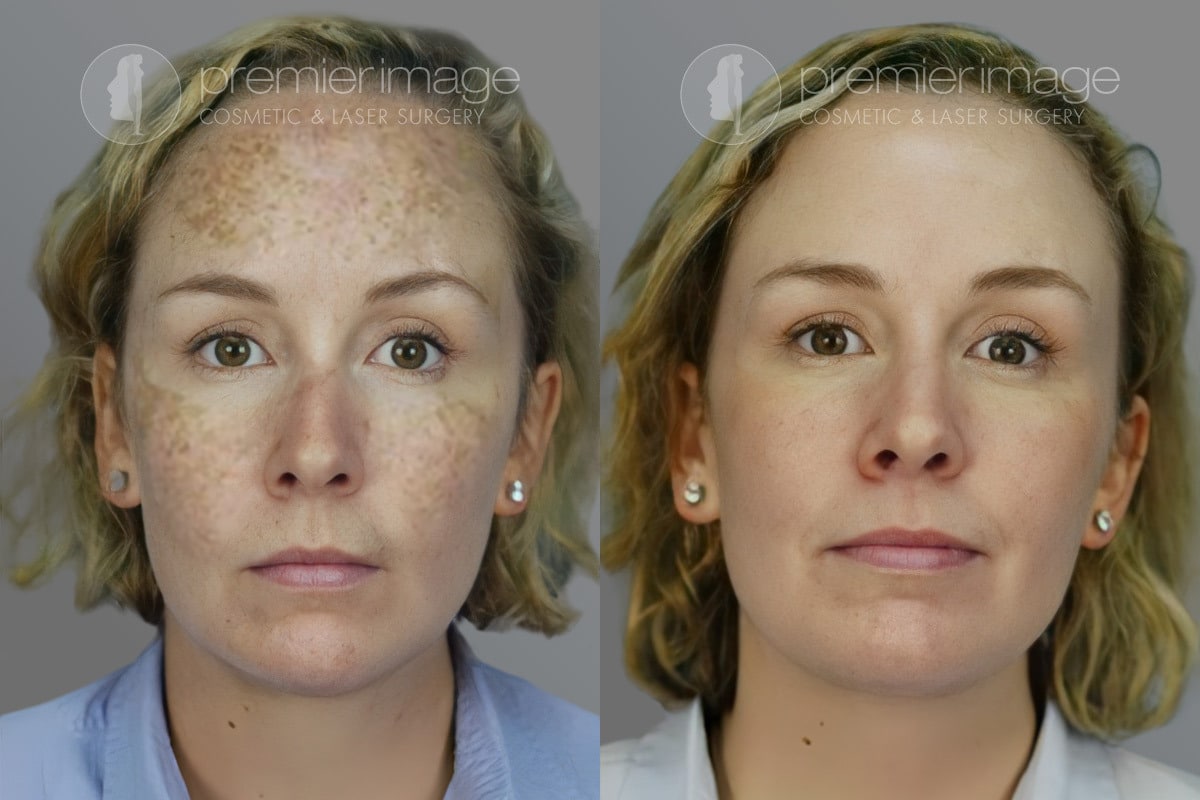
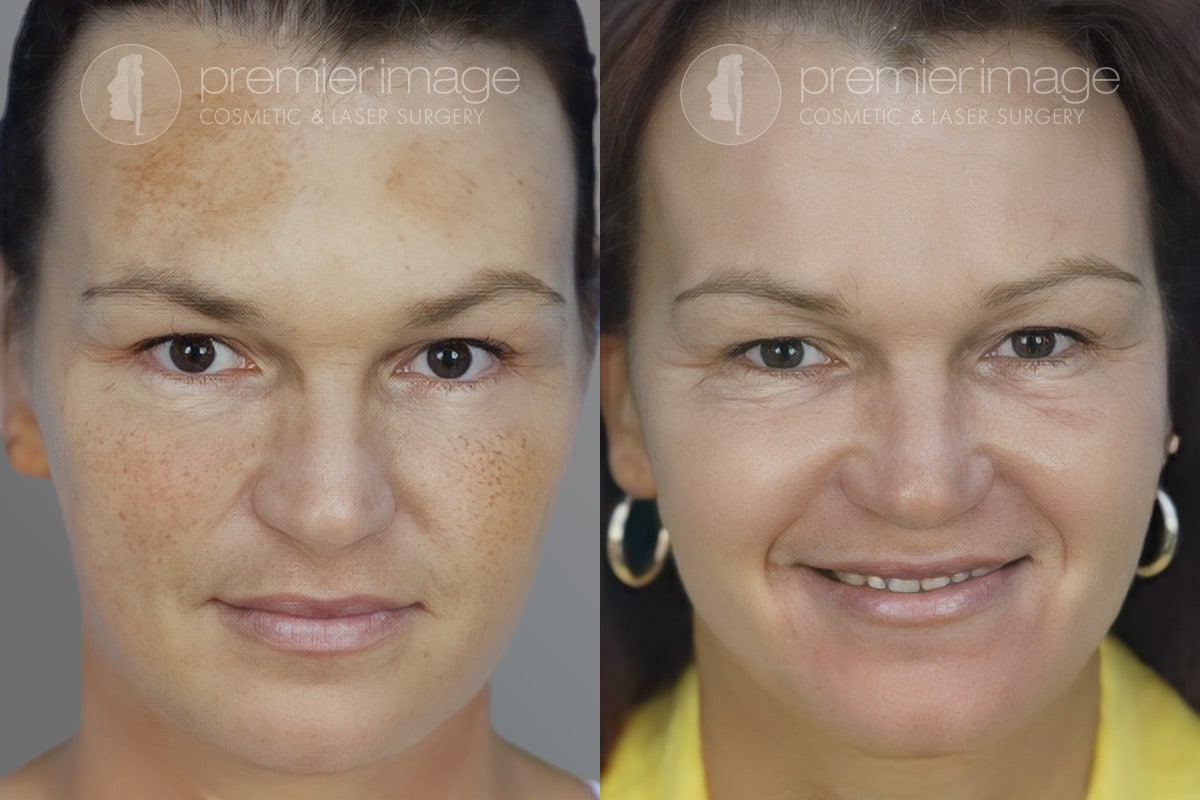
See what a real CO2 laser resurfacing treatment looks like at Premier Image Cosmetic & Laser Surgery.
Among skin rejuvenation laser treatments, CO2 resurfacing offers a more intensive approach for patients seeking meaningful improvement in skin texture and visible signs of aging.
Good Candidates for Laser Skin Resurfacing
Patients who are in good health, interested in a more radiant complexion, and have realistic expectations for the procedure can benefit from laser skin resurfacing.
Dr. DeJoseph may not recommend this procedure if a patient has active acne, an autoimmune disease, weak immune system, very dark skin, or a tendency to form scars, as complications can occur.
He also discourages this procedure for patients who have been on Accutane.
Individual candidacy is always assessed during an initial consultation, with Dr. DeJoseph tailoring a treatment plan to meet the patient’s individual needs.
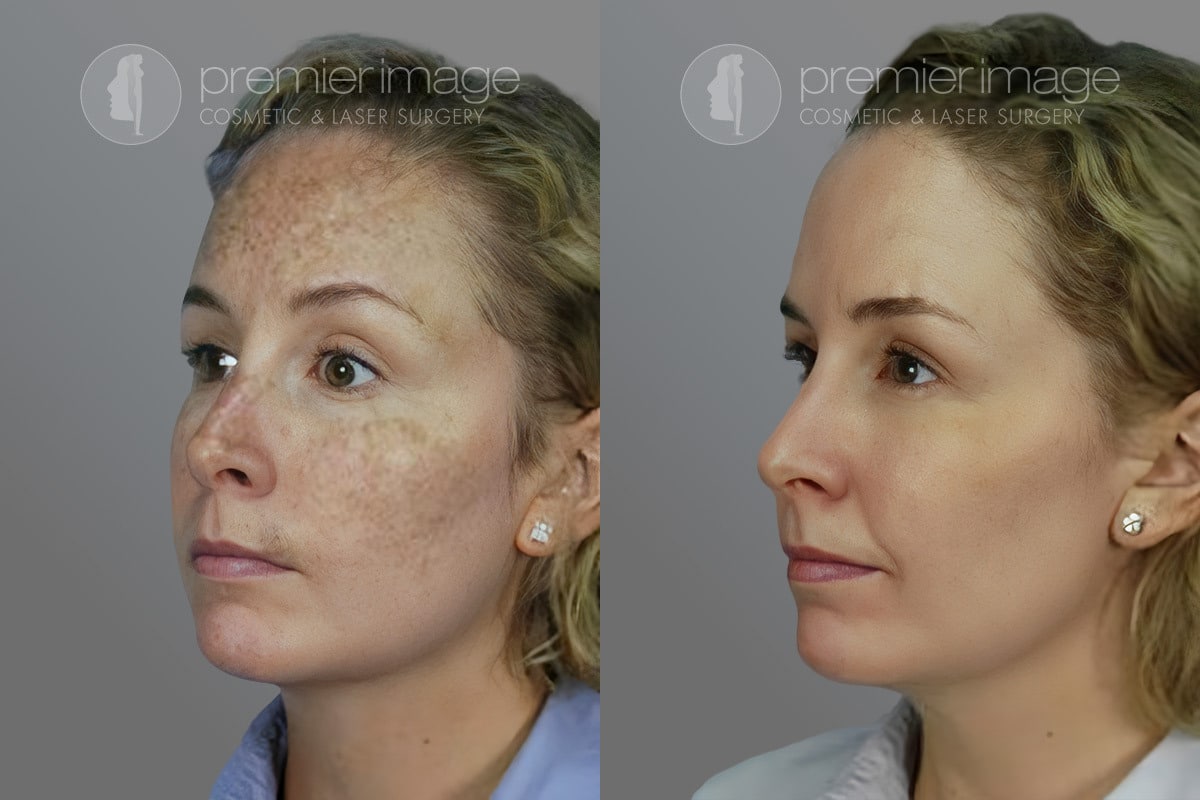
Ablative vs. Non-Ablative Lasers
Ablative lasers such as C02 lasers are an excellent choice for patients with mild to moderate facial scars, wrinkles, and pigmentation issues. When an ablative laser is used, satisfactory results can be achieved in just one treatment.
Non-ablative or “no downtime” lasers do not produce results as dramatic as ablative lasers do, but they offer less downtime. Patients who are searching for a more dramatic change in their skin tone and texture should opt for laser skin resurfacing with an ablative laser.
Clinical research supports the effectiveness of fractional CO2 resurfacing for facial wrinkles. In a randomized clinical trial of 40 patients, three monthly fractional CO2 treatments significantly reduced facial wrinkles, with no serious long-term adverse effects reported during the study.
The Science Behind CO2 Lasers
CO2 lasers are specifically engineered to vaporize the outermost layer of the skin. When a C02 laser is being used, bursts of laser energy are controlled by a computer in a circle, square, rectangle, or another pre-defined pattern that’s ideal for the patient’s skin.
CO2 laser resurfacing removes damaged outer layers of skin while heating the underlying dermis, stimulating new collagen production as the skin heals. This less invasive and controlled resurfacing process can improve skin texture, wrinkles, pigmentation, and scars. Learn more about how laser resurfacing works from Cleveland Clinic.
What to Expect from a Laser Skin Resurfacing Consultation
If you believe laser skin resurfacing is right for you, then the next step is to schedule a private consultation with Dr. DeJoseph. He will begin by reviewing your medical history and asking you questions about current and previous medical conditions and medications. In addition, They will evaluate the area of the skin that you’d like treated and learn more about your goals. You’ll be able to ask him any questions you may have and address all of your concerns so you can make an informed decision about your treatment plan.
Preparing for Laser Skin Resurfacing
After patients schedule their laser skin resurfacing procedure, they may be advised to take certain medications so they can prevent complications. In addition, they’ll be encouraged to avoid spending too much time in the sun as doing so may lead to permanent irregular pigmentation in the area of treatment. Pre-treatment skin preparations usually start a few weeks before the laser resurfacing appointment and will be discussed during the consultation.
The CO2 Laser Skin Resurfacing Procedure
To perform a CO2 laser resurfacing procedure, Dr. DeJoseph will use a local anesthetic and a special device that delivers the high energy laser treatment to the surface of the skin. It’s important to understand that this device will only treat the top layer of the dermis and won’t damage anything underneath it.
During the CO2 laser resurfacing procedure, the lower layers of the skin will become heated in order to stimulate the skin to produce new collagen. Old skin will flake and peel off in the days following the procedure. When this happens, new skin will form and look far younger.
As soon as Dr. DeJoseph has completed the procedure, they will apply a moist dressing to the treatment area in order to expedite the healing process.
Recovering from Laser Skin Resurfacing
After a laser skin resurfacing treatment, the skin will look bright red and feel like it is sunburned. Patients may use ice to cool their skin and clean tissue to wipe off any small spots of blood.
Proper post-treatment skincare plays an important role in healing after laser skin resurfacing, IPL, or fractional treatments. Dr. DeJoseph and the team provide individualized aftercare instructions based on the procedure and the patient’s skin, and there will be very specific guidelines to follow, including washing the lasered areas every few hours to prompt healing.
Once one to two weeks have passed, patients will notice gorgeous new skin emerging and find the healing process far easier.
To keep recovery simple:
- Keep treated skin clean as directed.
- Maintain moisture with recommended gentle products.
- Avoid unnecessary irritation or aggressive skincare.
- Protect healing skin from direct sun exposure.
- Allow peeling and healing skin to shed naturally rather than picking at it.
Patients may use moisturizer and mineral makeup after 10–14 days and will likely notice a pink or red tint to the skin that may last anywhere from three weeks to three months.
Patients treating fine lines and wrinkles can expect visible reduction in about three months.
After the skin fully heals, daily sun protection and appropriate moisturization remain essential for protecting newly resurfaced skin. The American Society of Plastic Surgeons provides additional laser resurfacing recovery guidance.
Patient Reviews
-

- Simone
Why Premier Image Cosmetic and Laser Surgery
- Dr. Louis DeJoseph is board-certified in laser surgery as well as facial plastic and reconstructive surgery.
- CO2 Laser Experience: He has performed countless C02 laser procedures and made it possible for men and women to drastically improve the look and feel of their skin.
- Dedicated Cosmetic and Laser Practice: Premier Image Cosmetic & Laser Surgery has served Atlanta patients since 1970 and offers fractional CO2 resurfacing alongside a broad range of surgical and non-surgical aesthetic treatments.
- Accredited Surgical Facility: Premier Image operates a fully licensed, AAAHC-accredited outpatient surgery center designed to provide privacy, safety, and coordinated cosmetic care.
- Personalized Skin Treatment: Laser settings and treatment plans are tailored to each patient’s skin concerns, medical history, desired results, and appropriate recovery time.
- Our highly trained skin care specialists and cutting-edge technologies can help you achieve the smooth, supple skin you’ve always dreamed of.
Laser Skin Resurfacing FAQs
ABOUT THE AUTHOR
DR. LOUIS DEJOSEPH, MD
Louis M. DeJoseph, MD, is a double board-certified facial plastic, reconstructive, and laser surgeon at Premier Image Cosmetic & Laser Surgery in Atlanta.
Dr. DeJoseph’s credentials include:
- Medical Degree — Penn State College of Medicine
- Residency — Otolaryngology–Head & Neck Surgery, Case Western Reserve University
- Fellowship Training — Facial Plastic & Reconstructive Surgery, in affiliation with Emory University
- Academic Appointment — Clinical Instructor, Emory University School of Medicine
- Board-Certified — Facial Plastic, Reconstructive & Laser Surgery
Expertise Areas:
Facial Plastic Surgery, Reconstructive Surgery, Laser Surgery & Skin Resurfacing, Facial Rejuvenation, Aesthetic Facial Surgery.