How often should you get Botox? For many patients, treatments are commonly scheduled every 3 to 4 months according to the American Academy of Dermatology, although the right timing varies from person to person. Your ideal schedule can depend on factors such as the treatment area, muscle activity, your aesthetic goals, and how your body responds to previous injections.
In this article, we’ll explain how long Botox typically lasts, what can affect your treatment schedule, and how your approach may change from your 20s through your 60s.

Key Takeaways
- Botox is commonly repeated every 3 to 4 months, although timing varies by patient.
- Age alone does not determine Botox frequency; treatment area, muscle activity, and response matter more.
- You do not have to keep getting Botox once you start; the effects gradually wear off if you stop.
- More frequent treatment is not always better, so your schedule should be personalized by your injector.
- An experienced injector can help determine the right timing based on your anatomy, goals, and previous results.
- Key Takeaways
- What Botox Injections Really Do and Why Frequency Matters
- How Often Can You Get Botox?
- When To Start Botox in Your 20s
- Botox Tips for Your 30s
- Staying Refreshed with Botox in Your 40s
- Botox and Aging Gracefully in Your 50s and Beyond
- How Lifestyle and Facial Movement Affect Your Botox Schedule
- How to Tell When It’s Time for Your Next Botox Appointment
- Book a Botox Consultation with Premier Image Cosmetic & Laser Surgery
What Botox Injections Really Do and Why Frequency Matters
Botox treatment works by temporarily reducing activity in specific facial muscles. The American Society of Plastic Surgeons explains that botulinum toxin blocks nerve signals to the injected muscle, limiting its ability to contract. This can soften the appearance of dynamic wrinkles such as frown lines, forehead creases, and crow’s feet.
Because the effects of Botox are temporary, muscle activity gradually returns over time. How long your results last can vary based on the treatment area, muscle activity, dose, and your individual response to treatment. This is why your Botox schedule should be personalized rather than based on age alone.
Why Timing and Consistency Affect Your Results
Your facial muscles are in a constant state of movement as you express emotions, speak, and interact with the world. Over time, these movements can lead to the development of wrinkles and lines. Regular Botox treatments help limit these repetitive movements and gradually retrain your muscles to move less aggressively. Maintaining a steady interval between sessions, typically every 3 to 4 months, can support better, longer-lasting results.
Consistent Botox treatment may help you:
- Maintain the improvement of treated expression lines.
- Manage the return of facial movement between treatments.
- Adjust your treatment schedule based on how long your individual results last.

Secure Your Safe Procedure Experience with Dr. Louis DeJoseph
Join our satisfied clients who’ve experienced safe, effective treatments.
How Often Can You Get Botox?
Botox treatments are commonly spaced about 3 to 4 months apart, but the right interval depends on your individual response and treatment plan.
According to the official FDA prescribing information for BOTOX Cosmetic, the safety and effectiveness of administering BOTOX Cosmetic more frequently than every 3 months have not been clinically evaluated. Your injector should determine when another treatment is appropriate based on the areas being treated, how much muscle movement has returned, your previous response, and your aesthetic goals.
When To Start Botox in Your 20s
Many patients wonder when the right time is to begin Botox. In your 20s, expression lines may be faint or only visible when you smile, frown, or raise your eyebrows. Some patients choose Botox at this stage to soften expression lines, while others may not need or want treatment at all. The decision to start Botox should be based on your facial anatomy, muscle activity, concerns, and aesthetic goals rather than your age alone.
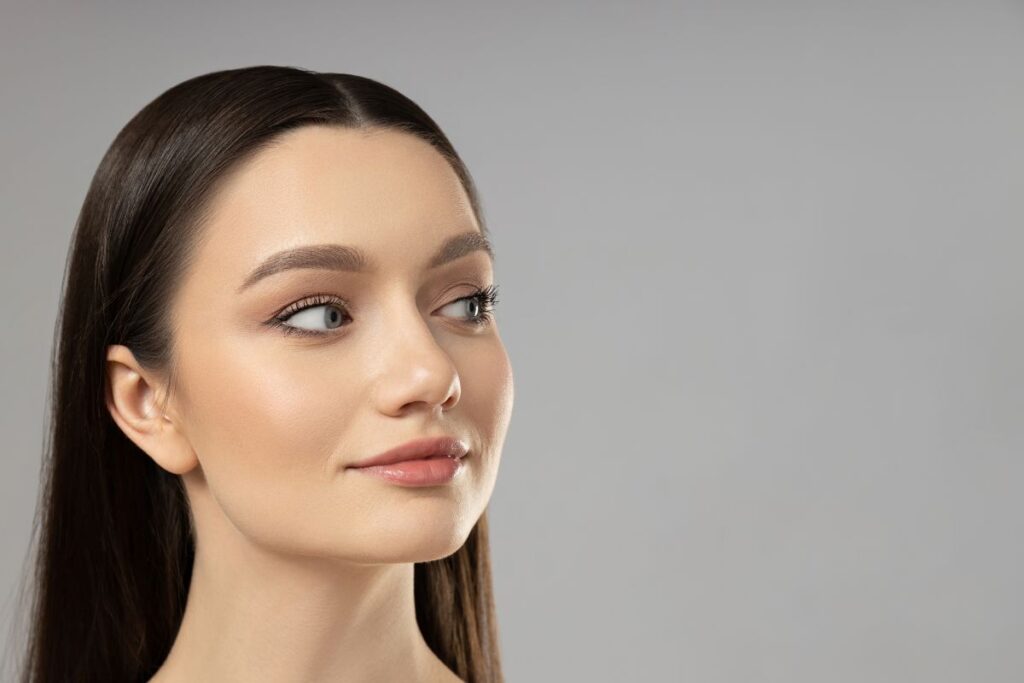
Botox for Early Expression Lines
For patients who begin Botox in their 20s, treatment may focus on softening early expression lines while preserving natural facial movement.
Your injector can evaluate how your facial muscles move and determine whether treatment is appropriate, as well as the dose and placement needed to achieve a balanced result.
How Often Should You Get Botox in Your 20s?
There is no standard Botox schedule specifically for people in their 20s. The frequency depends more on the treatment area, your muscle activity, your goals, and how long your previous results last.
If you choose to maintain your results, your provider will recommend when to return based on how your movement and expression lines gradually return. Some patients prefer consistent maintenance, while others are comfortable allowing more movement to return before scheduling another session.
Before and After Photos
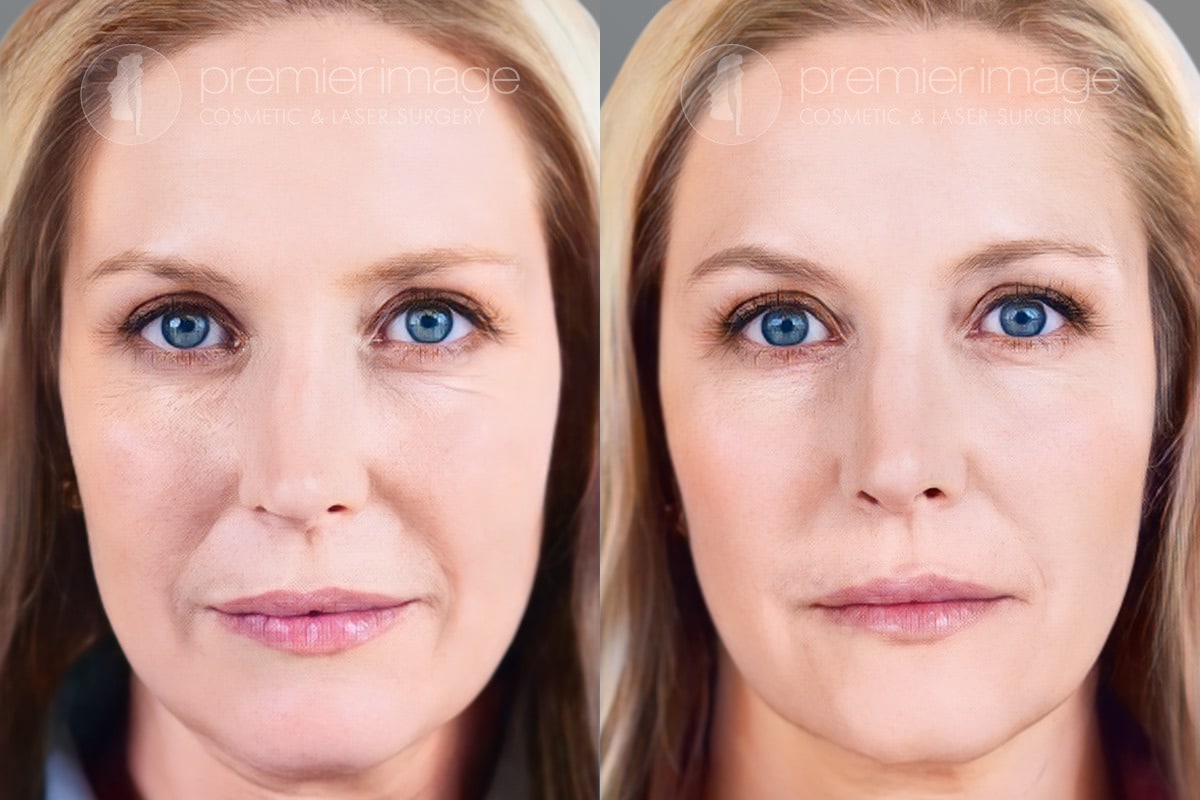
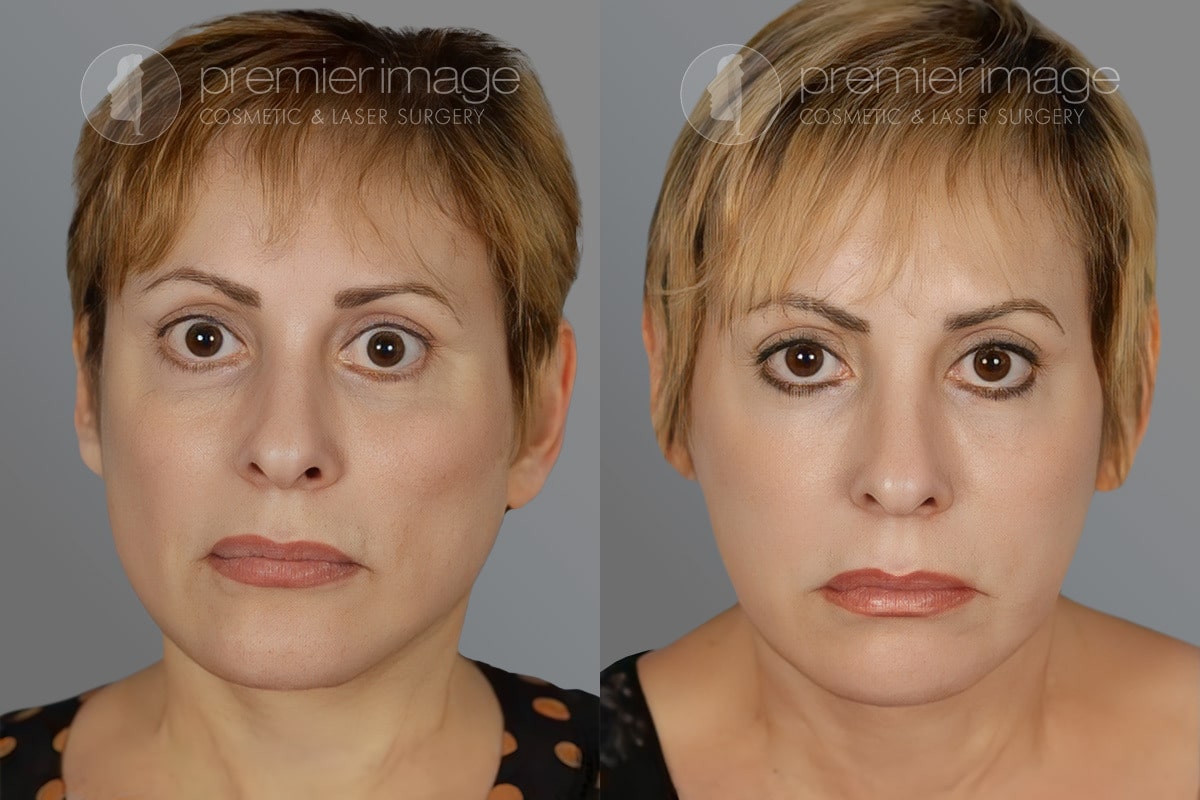
* Each patient is unique and individual results may vary.
Botox Tips for Your 30s
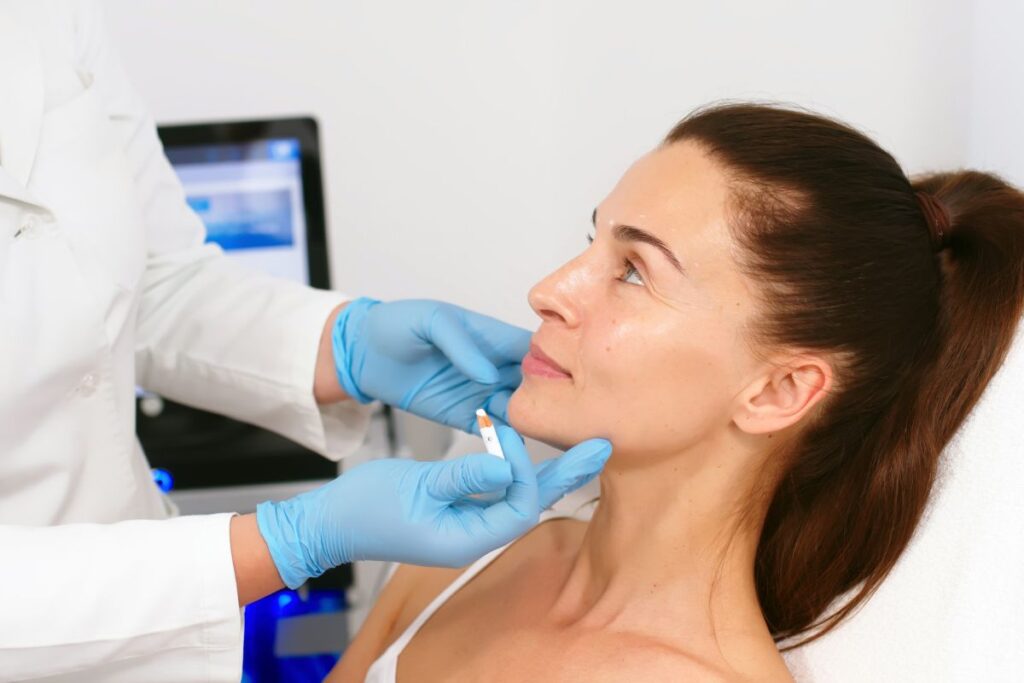
In your 30s, expression lines may begin to remain visible even at rest. Botox can help soften dynamic lines caused by repeated facial movement, but treatment frequency still depends on your individual anatomy and response rather than your age.
Treating Expression Lines Before They Deepen
Lines around the forehead and eyes often become more noticeable during this decade. Botox temporarily reduces the muscle activity responsible for certain expression lines, helping create a smoother appearance while treatment is active.
Your treatment plan should balance wrinkle reduction with how much natural facial movement you want to preserve.
How Often Should You Get Botox in Your 30s?
Being in your 30s does not automatically mean you need Botox more frequently. Many patients who want to maintain their results schedule treatments around every 3 to 4 months, but the appropriate interval varies.
Your injector may consider the area being treated, muscle strength, previous response to Botox, desired level of movement, and how quickly your results begin to fade when recommending your next treatment.
Staying Refreshed with Botox in Your 40s
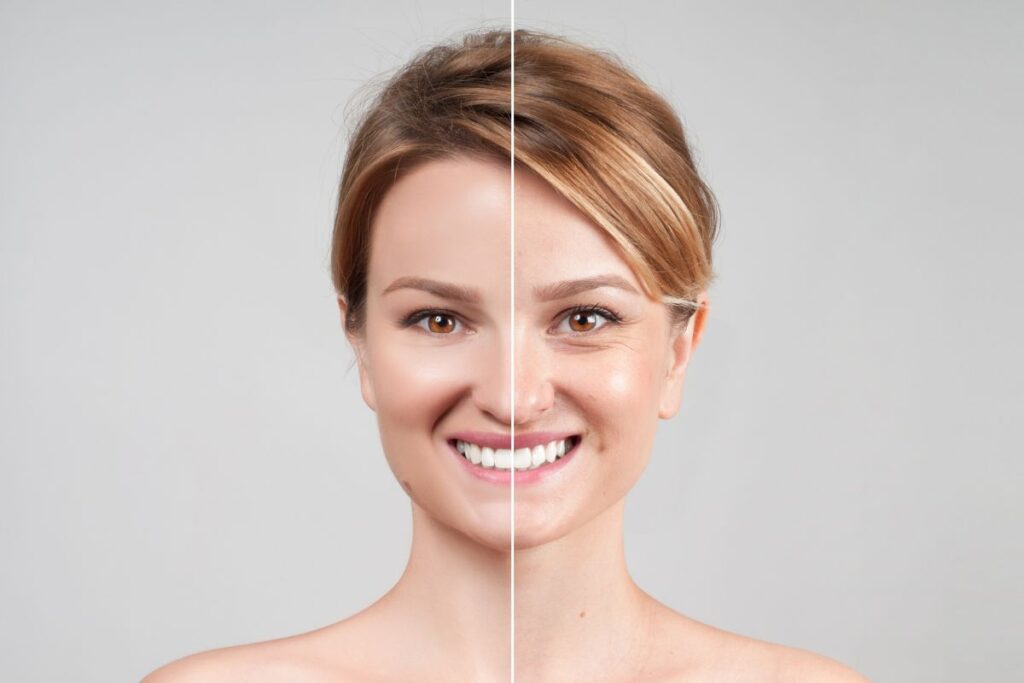
In your 40s, changes in skin elasticity, facial volume, and expression lines may become more noticeable. Botox can continue to address wrinkles caused by muscle movement, but needing treatment more often is not simply a result of getting older.
Managing Deeper Lines and Maintaining Facial Balance
By your 40s, deeper wrinkles and lines have more likely begun to take shape. This can include frown lines, forehead wrinkles, and expression lines around the eyes. Botox injections in your 40s are designed to relax the facial muscles that create these wrinkles. Often, your treatment plan may also include complementary procedures such as dermal fillers. These fillers work to restore facial volume, smooth out deeper wrinkles, and enhance overall symmetry. Combining Botox with dermal fillers or lip fillers can create a comprehensive, natural-looking rejuvenation.
How Often Should You Get Botox in Your 40s?
Many patients who maintain Botox treatments return around every 3 to 4 months, but being in your 40s does not automatically require a shorter treatment interval.
Your injector can recommend timing based on how much muscle movement has returned, the areas being treated, your previous results, and the amount of natural expression you want to preserve.
Botox and Aging Gracefully in Your 50s and Beyond
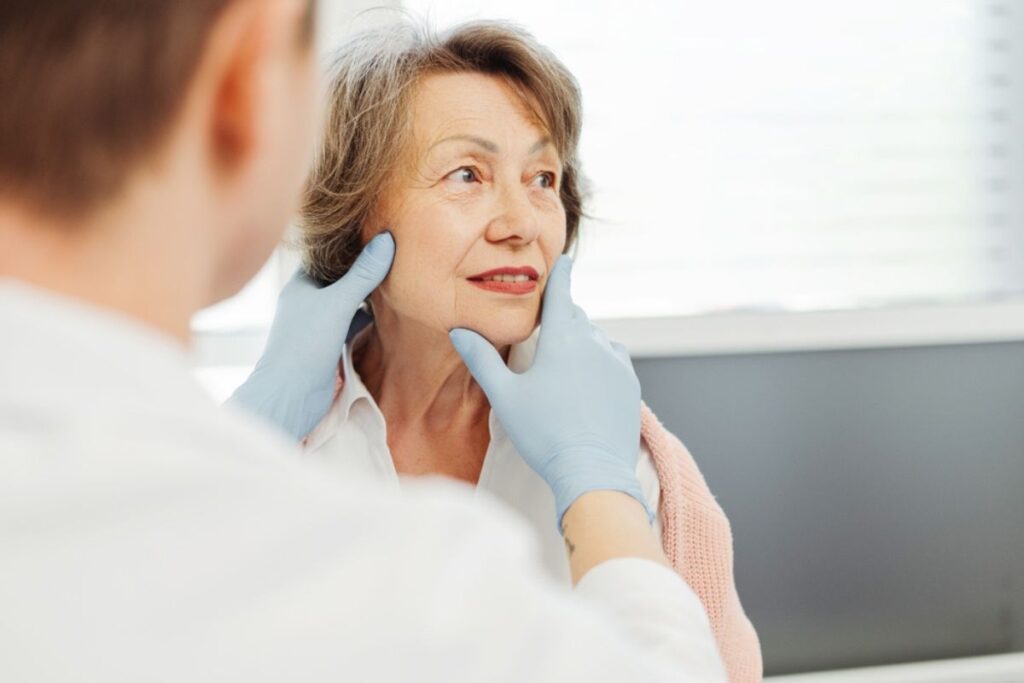
Aging gracefully means adapting your cosmetic treatments to meet the evolving needs of your skin. How often should you get Botox in your 50s? How often should you get Botox in your 60s? The answer depends on the condition of your skin and the extent of wrinkle development. With the natural aging process, facial volume may diminish, and lines can become more pronounced, making sustained care even more important.
Combining Botox with Other Subtle Treatments Like Dermal Fillers
In addition to Botox injections, many patients in their 50s and 60s may benefit from combining their treatment with other aesthetic procedures. There is a range of cosmetic procedures that complement Botox for a more complete anti-aging strategy. These may include:
- Dermal fillers to restore lost volume and smooth deep wrinkles.
- Lip fillers that subtly enhance the contours of your lips and create a balanced facial profile.
- Skin resurfacing treatments to address concerns related to skin texture and tone.
By integrating these treatments, you can achieve a harmonious, refreshed appearance that reduces the signs of aging and helps you look as vibrant as you feel.
How Often Should You Get Botox in Your 50s?
Botox frequency does not automatically increase as you get older. Many patients continue with a maintenance schedule of around every 3 to 4 months, while others may choose longer intervals depending on their response and goals.
At this stage, concerns such as volume loss, skin laxity, or deeper static lines may influence your overall treatment plan even if your Botox schedule remains relatively consistent.
How Lifestyle and Facial Movement Affect Your Botox Schedule
Lifestyle factors can influence how your skin and expression lines look over time, but they do not necessarily determine how quickly Botox wears off. Facial muscle activity, the treatment area, dose, and your individual response are more directly relevant to how long your results last. Sun exposure and other lifestyle factors may still affect skin aging and how noticeable lines appear between treatments.
Factors That Can Affect How Long Your Botox Results Last
Several factors can influence when muscle movement and expression lines begin to return, including:
- Facial muscle activity, especially in stronger or more expressive areas.
- Treatment area and dose, which can affect the duration of your results.
- Sun exposure and skin aging, which can make lines more noticeable over time.
- Medical history, medications, and individual response, which may influence treatment planning.
Your injector can consider these factors along with your previous results to recommend when your next Botox treatment may be appropriate.
How to Tell When It’s Time for Your Next Botox Appointment
Botox gradually wears off rather than stopping all at once. As its effects diminish, you may begin to notice more movement in the treated muscles and the gradual return of the expression lines you originally wanted to soften.
Signs that it may be time to discuss another treatment include:
- Increased movement in the muscles that were previously treated.
- The gradual return of forehead lines, frown lines, or crow’s feet.
- Your previous Botox results no longer meeting your aesthetic goals.
You do not necessarily need another treatment as soon as movement begins to return. Your injector can evaluate your results, facial movement, and treatment goals to determine whether it is appropriate to schedule your next session.
Book a Botox Consultation with Premier Image Cosmetic & Laser Surgery
If you’re considering Botox or wondering when to schedule your next treatment, a personalized consultation can help determine an approach that fits your facial anatomy, goals, and previous treatment response.
At Premier Image Cosmetic and Laser Surgery, your provider can evaluate your facial movement, discuss the areas you would like to treat, and recommend an appropriate Botox plan based on your individual needs.
Book a consultation to discuss whether Botox is right for you and how often treatment may make sense for your goals.

ABOUT THE AUTHOR
DR. LOUIS DEJOSEPH, MD
Louis M. DeJoseph, MD, is a double board-certified facial plastic, reconstructive, and laser surgeon at Premier Image Cosmetic & Laser Surgery in Atlanta.
Dr. DeJoseph’s credentials include:
- Medical Degree — Penn State College of Medicine
- Residency — Otolaryngology–Head & Neck Surgery, Case Western Reserve University
- Fellowship Training — Facial Plastic & Reconstructive Surgery, in affiliation with Emory University
- Academic Appointment — Clinical Instructor, Emory University School of Medicine
- Board-Certified — Facial Plastic, Reconstructive & Laser Surgery
Expertise Areas:
Facial Plastic Surgery, Reconstructive Surgery, Laser Surgery & Skin Resurfacing, Facial Rejuvenation, Aesthetic Facial Surgery.