
Patients considering facial rejuvenation often ask whether a neck lift vs facelift is the better option for their concerns. While the two procedures are frequently discussed together, they are designed to treat different areas of the face and neck and address different signs of aging. Understanding how these surgeries differ—and when they may be combined—helps patients make informed decisions about timing, expectations, and results.
At Premier Image Cosmetic and Laser Surgery, facial rejuvenation is approached with careful evaluation rather than a one-size-fits-all recommendation. Under the guidance of Dr. Louis DeJoseph, patients receive individualized treatment planning based on anatomy, aging patterns, and aesthetic goals.

Neck Lift vs Facelift: What to Know Before Choosing
- A facelift and neck lift treat different areas of aging.
- Neck laxity does not always improve with facelift surgery alone.
- Recovery time and incision placement differ between procedures.
- Some patients benefit most from a combined facelift and neck lift.
- A consultation helps determine the right surgical approach.
What Is a Facelift (Rhytidectomy)?
A facelift, also known as a rhytidectomy, is a facial plastic surgery procedure designed to address visible signs of aging in the midface and lower face. Rather than simply tightening skin, modern facelift surgery focuses on repositioning underlying tissues to restore natural contours.
Facelift surgery typically involves carefully placed incisions around the ears and hairline. Through these incisions, deeper facial structures are lifted and excess skin is removed. The goal is to create a smoother, more youthful appearance without an over-pulled look.
What a Facelift Treats in Facial Rejuvenation
A full facelift primarily treats aging changes in the cheeks, jawline, and lower face. Patients often seek facelift surgery for sagging cheeks, deep facial wrinkles, jowls, and loss of definition along the jawline.
While a facelift can offer some improvement in the upper neck, it is not designed to fully correct loose neck skin, prominent neck bands, or a double chin. This distinction is important when comparing a facelift and neck lift.

QT Facelift vs Full Facelift Surgery
Not all facelifts are the same. A QT facelift addresses mild to moderate facial aging, often focusing on the lower face and jawline with shorter incisions and a quicker recovery. A full facelift treats more advanced aging and involves broader correction of facial tissues.
Choosing between a QT facelift and full facelift depends on the degree of skin laxity, facial aging, and desired results. During consultation, Dr. DeJoseph helps patients understand which approach best aligns with their needs.
What Is Neck Lift Surgery?
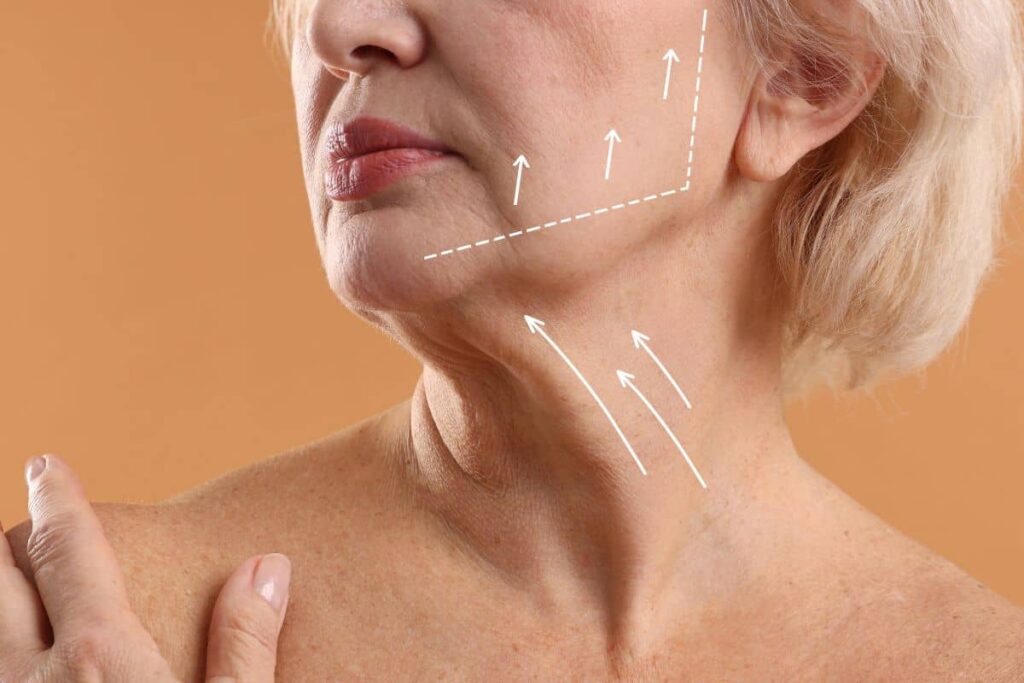
Neck lift surgery is designed to improve the appearance of the neck and jawline. This procedure targets issues such as loose neck skin, visible neck bands caused by the platysma muscle, excess fat beneath the chin, and loss of neck definition.
Neck lift procedures may involve platysmaplasty, liposuction, or skin tightening techniques depending on the patient’s anatomy. Incisions are typically discreet, placed behind the ears and sometimes beneath the chin.

Secure Your Safe Procedure Experience with Dr. Louis DeJoseph
Join our satisfied clients who’ve experienced safe, effective treatments.
What a Neck Lift Treats That a Facelift Does Not
A neck lift specifically treats concerns such as turkey neck, neck bands, excess skin, and a poorly defined neck and jawline. Patients who feel their face still looks youthful but their neck appears aged are often good candidates for a neck lift alone.
This is why a neck lift vs facelift comparison is so important. While the procedures are related, one does not automatically replace the other.
Neck Lift vs Facelift: Key Differences in Surgery
Procedure Scope and Surgical Focus
Facelift surgery focuses on the face, including the cheeks and jawline, while neck lift surgery focuses on the neck, chin, and lower jaw area. The surgical techniques, incision locations, and underlying tissues treated differ between procedures.
A facelift lifts facial tissues, whereas a neck lift addresses skin, fat, and muscle bands in the neck. Understanding these differences helps clarify why one procedure may not fully correct concerns in the other area.
Recovery Time and Downtime
Recovery varies between a facelift and neck lift. Neck lift recovery may be shorter for patients undergoing neck-only surgery, while facelift recovery typically involves a longer period of swelling and healing.
When procedures are combined, recovery timelines overlap, often making a single recovery period more efficient for appropriate candidates.
Results and Longevity
Both facelift and neck lift procedures offer long-lasting results when performed with proper technique. However, results depend on skin quality, aging patterns, and surgical approach. Neither procedure stops the aging process, but both can significantly reset the appearance of the face and neck.
Ideal Candidates for Facelift and Neck Lift Procedures
Patients with significant facial sagging, jowls, and cheek descent often benefit from facelift surgery. Those with isolated neck concerns—such as neck bands or loose skin—may be better suited for a neck lift alone.
Some patients fall in between, with aging affecting both the face and neck. In these cases, a combined facelift and necklift approach may provide the most balanced outcome.
When a Combined Facelift and Neck Lift Makes Sense
Combining procedures allows the face and neck to age more harmoniously. Addressing only one area can sometimes leave the other looking untreated by comparison.
A combined approach is often recommended for patients with moderate to advanced aging in both regions. Performing both procedures together also consolidates anesthesia and recovery time.
A Quicker-Recovery Option: The QT Lift®
For select patients, Dr. DeJoseph offers the QT Lift®, a signature procedure designed to address early facial and neck aging with less downtime than traditional surgery. The QT Lift focuses on targeted tightening and repositioning of tissues for patients who are not yet candidates for a full facelift or neck lift.
This option may be appropriate for patients seeking subtle improvement with shorter recovery, but it does not replace comprehensive surgical procedures when more advanced correction is needed.
Before and After Photos
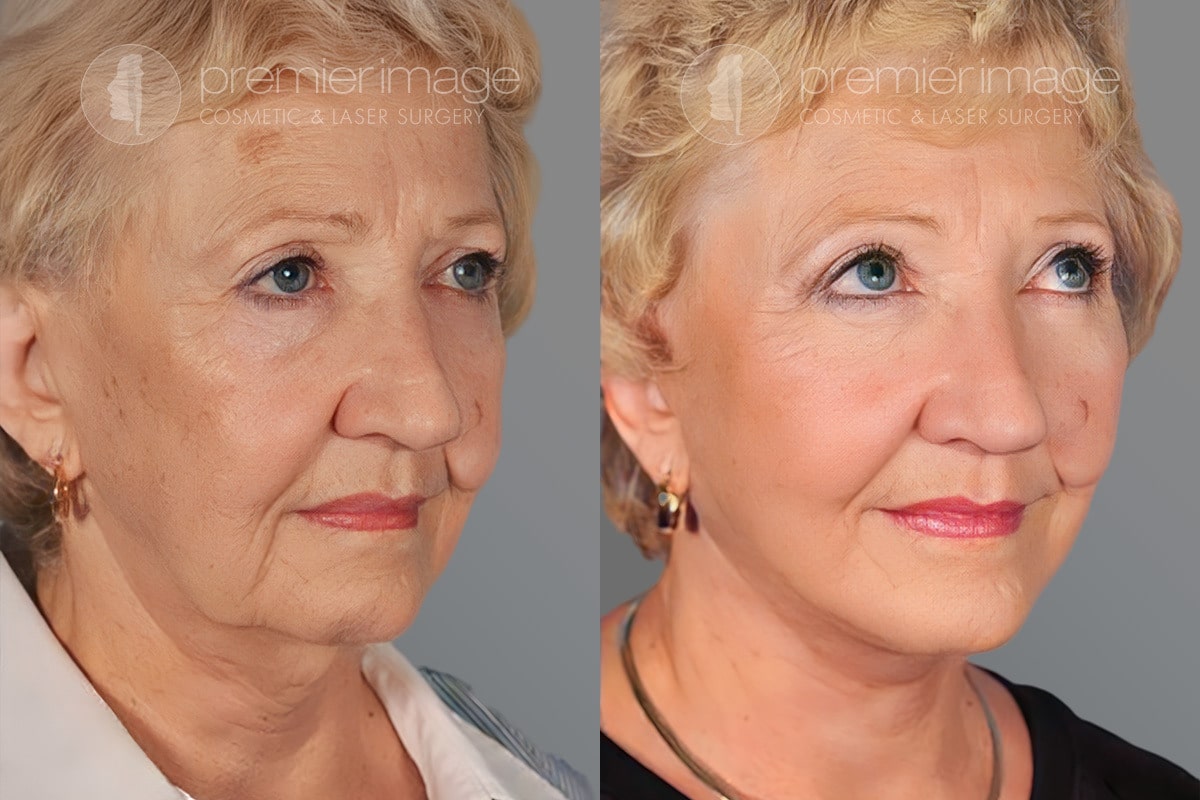
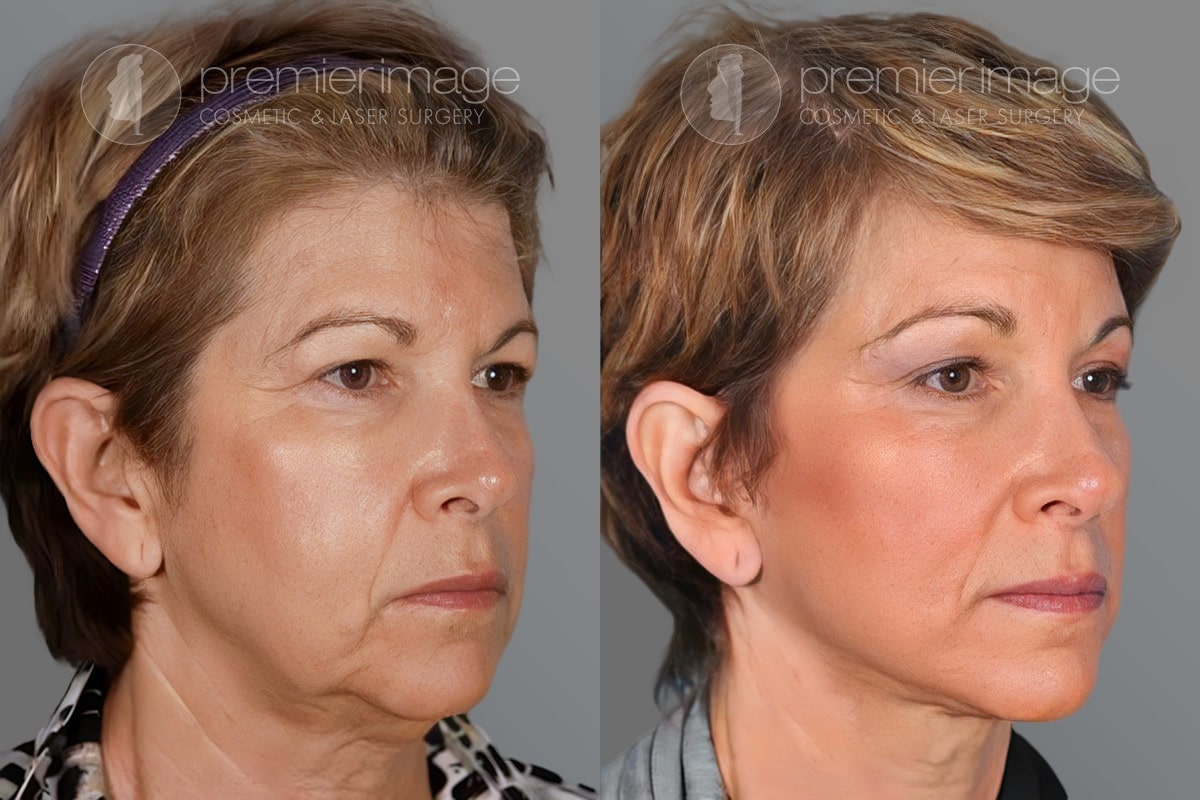
* Each patient is unique and individual results may vary.
Potential Risks and Considerations With Facial Surgery
As with any surgical procedure, facelift and neck lift surgery involve potential risks. These may include swelling, bruising, temporary numbness, scarring, or asymmetry. Serious complications are uncommon when surgery is performed by an experienced facial plastic surgeon.
Discussing risks and expectations during consultation helps patients feel informed and prepared.
Why Surgeon Expertise Matters in Facial Rejuvenation
Facial plastic surgery requires detailed knowledge of facial anatomy and aging patterns. The difference between natural-looking results and an overcorrected appearance often comes down to surgical judgment and technique.
Dr. DeJoseph’s experience in facial rejuvenation procedures allows him to tailor treatment plans that respect facial structure while addressing aging concerns thoughtfully.
When to Schedule Your Consultation in Atlanta, Georgia
If you are considering a neck lift vs facelift, scheduling a consultation is the best way to understand your options. An in-person evaluation allows for discussion of anatomy, recovery expectations, and realistic outcomes.
Patients in Atlanta and surrounding areas can consult with Dr. DeJoseph to explore personalized facial rejuvenation options.
FAQs About Neck Lift vs Facelift
A facelift may offer mild neck improvement, but it does not fully correct loose neck skin or prominent neck bands.
Yes. Many patients choose neck lift surgery to address isolated neck aging while preserving facial appearance.
When skin laxity and muscle banding are significant, surgical options often provide more predictable results.
This depends on individual aging patterns, health, and goals. A consultation helps determine the best approach.