
Aging, weight changes, and genetics can affect the appearance of the neck and jawline, often leading to loose skin, visible bands, or loss of definition. Neck lift surgery is designed to restore a smoother, more youthful neck contour, but many patients considering this procedure want to understand what the recovery process involves.
Recovery time for neck lift procedures varies depending on the surgical technique, individual healing patterns, and the extent of correction performed. Understanding the neck lift recovery journey helps patients prepare for surgery, plan time away from work or activities, and feel more confident throughout the healing process.

What to Expect During Neck Lift Recovery
- Neck lift surgery recovery typically involves swelling and bruising that gradually improve over several weeks.
- Most patients resume light daily activities within the first week of surgery recovery.
- Full recovery and final results develop gradually as healing progresses.
- Following post-operative instructions helps reduce complications and support optimal results.
- Surgical technique and individual health factors influence the overall recovery timeline.
How Long Does Neck Lift Recovery Take?
Recovery time for neck lift surgery depends on the complexity of the procedure and each patient’s healing response. In general, early recovery occurs within the first one to two weeks, while full recovery may take several weeks to months.
During neck lift surgery, excess skin is removed, underlying muscles may be tightened through platysmaplasty, and the neck and jawline are reshaped for improved definition. Because the procedure addresses both skin and deeper structures, the healing process occurs in stages.
Most patients notice significant improvement in swelling and bruising within two weeks, but subtle swelling can persist longer. Final results become more visible as tissues settle, with complete healing typically continuing for several months.
What to Expect in the First 24 Hours After Surgery
The first 24 hours after surgery are part of the early recovery period and involve close monitoring and rest. Patients commonly experience swelling, tightness, and mild to moderate pain and discomfort in the neck area.
Swelling and bruising begin shortly after neck lift surgery and are a normal part of the healing process. The neck may feel firm, and neck movements may be limited to protect the surgical area. Some patients also experience temporary numbness or sensitivity around the incisions.
A compression garment or supportive dressing may be used to minimize swelling and support healing tissues. Following instructions carefully during the first 24 hours helps promote proper healing and reduce the risk of complications.
Neck Lift Surgery Recovery Timeline Week by Week
First Week of Neck Lift Surgery Recovery
During the first week of neck lift surgery recovery, swelling and bruising are usually most noticeable. Patients may experience tightness in the neck and some discomfort, which is typically manageable with prescribed medications.
Most individuals are encouraged to rest, avoid heavy lifting, and limit strenuous activities. Sleeping with the head elevated helps reduce swelling and supports the recovery process. Incisions begin to heal, and early healing progress becomes visible.
Follow-up appointments allow the surgeon to monitor healing and address any concerns.
Second Week of the Recovery Process
By the second week, swelling and bruising usually improve significantly. Many patients feel comfortable returning to work or light daily routines, depending on the extent of surgery and personal comfort.
Neck movements gradually become easier, and discomfort typically decreases. While healing continues beneath the surface, visible signs of surgery recovery become less noticeable.
Weeks 3–4: Continued Healing Progress
During weeks three and four, most swelling continues to resolve, and the neck and jawline appear more refined. Patients typically resume more normal activities while still avoiding strenuous exercise or heavy lifting.
Scar care and proper incision management help support long-term results. Although healing is well underway, tissues are still adjusting, and subtle swelling may remain.
Weeks 6–12: Advanced Healing and Improving Results
Between six and twelve weeks after surgery, most patients experience significant improvement in swelling and healing progress. The neck lift recovery process continues as tissues settle into their new contours and the neck and jawline appear more refined.
Although recovery is well advanced during this stage, complete healing and final results typically continue to develop over several months.
Before and After Photos
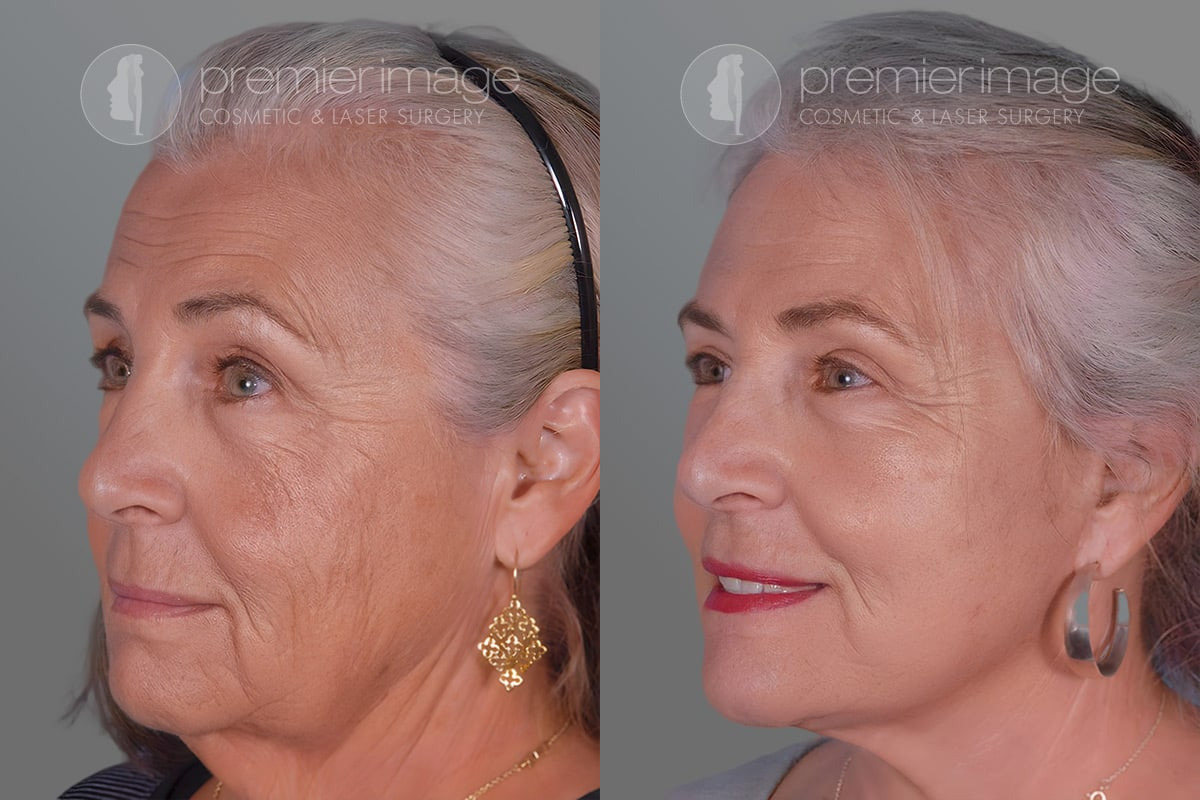
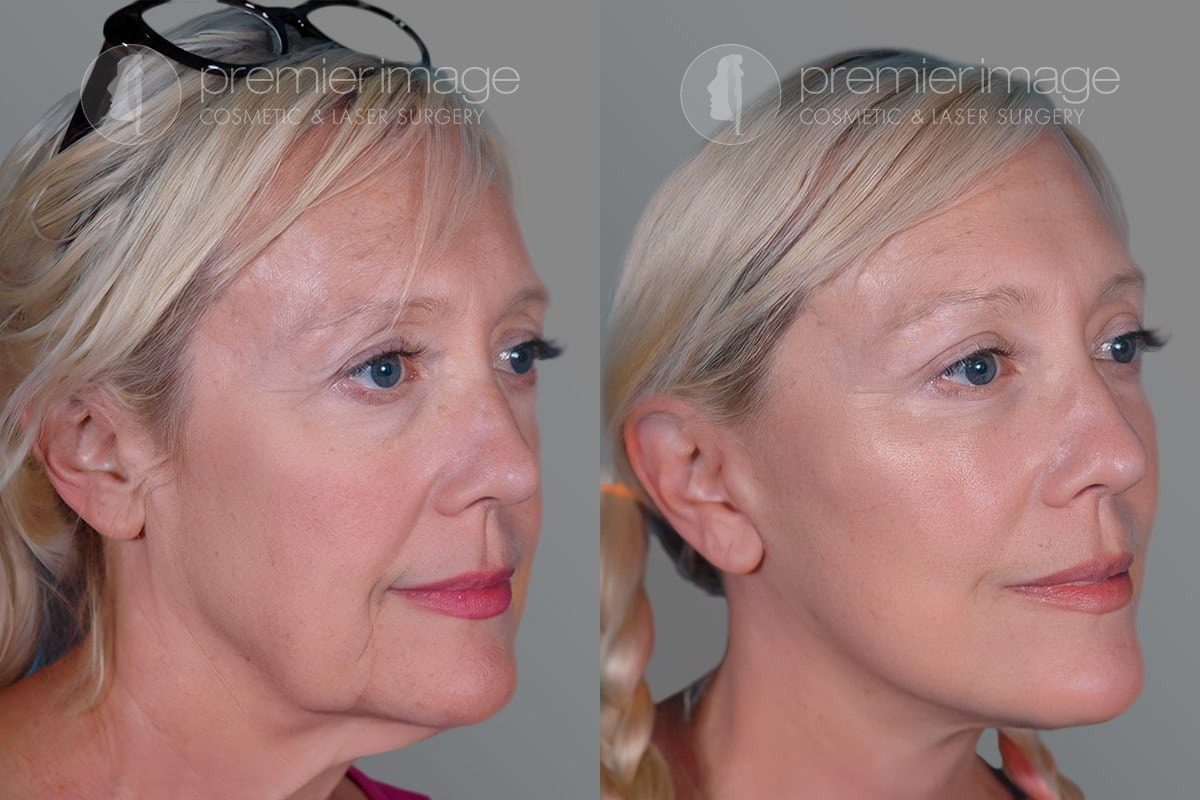
* Each patient is unique and individual results may vary.
When Can You Return to Work and Normal Activities?
The timeline for returning to work depends on the type of work performed and the individual recovery process. Many patients return to non-strenuous jobs within one to two weeks.
Light activities such as walking are typically encouraged early in the recovery journey to support circulation and healing. However, strenuous exercise, heavy lifting, and intense physical activity should be avoided until cleared by the surgeon.
Following activity guidelines helps prevent complications and supports optimal surgery recovery.
Other Common Side Effects After Neck Lift Surgery
Like any plastic surgery procedure, neck lift surgery may involve temporary side effects during the healing process. These effects are generally expected and improve with time.
Common side effects include:
- swelling and bruising in the neck and jawline
- temporary numbness or tightness
- mild pain and discomfort
- limited neck movements
- visible incisions that fade over time
Most symptoms resolve gradually as healing progresses. Patients should follow post-operative instructions carefully to support safe recovery.
When to Call Your Surgeon
While most neck lift recovery experiences follow a predictable course, certain symptoms require medical attention. Patients should contact their surgeon if they notice excessive swelling, unusual pain, signs of infection, or sudden changes in healing progress.
Regular follow-up appointments allow the surgical team to monitor recovery and ensure the healing process is progressing appropriately.
Tips for a Smooth Neck Lift Recovery

Patients can support their neck lift recovery journey by following recommended care guidelines. Proper post-operative care helps reduce swelling, protect incisions, and promote optimal results.
Helpful strategies include:
- keeping the head elevated during rest and sleep
- avoiding heavy lifting and strenuous activities
- attending all follow-up appointments
- following scar care instructions carefully
- maintaining a healthy lifestyle to support healing
Consistent adherence to post-surgical instructions plays an important role in achieving the desired outcome.

Secure Your Safe Procedure Experience with Dr. Louis DeJoseph
Join our satisfied clients who’ve experienced safe, effective treatments.
How Dr. DeJoseph’s Technique Helps Improve Recovery
Dr. Louis DeJoseph is a facial plastic surgeon in Atlanta known for personalized surgical planning and advanced techniques in facial plastic surgery. His approach to neck lift surgery focuses on achieving natural-looking results while supporting a comfortable recovery experience.
In addition to traditional neck lift procedures, Dr. DeJoseph offers the QT Lift, a facelift technique designed to address signs of facial aging with reduced downtime compared to more extensive procedures. For some patients, facial rejuvenation with a QT Lift may be combined with a neck lift to improve overall contour of the lower face and neck.
Each procedure is tailored to the patient’s anatomy, goals, and overall health. Careful surgical planning and detailed post-operative guidance help support predictable healing and refined outcomes.
What Factors Affect Recovery Time for Neck Lift Surgery?
Several factors influence how long neck lift surgery recovery takes. Individual healing responses vary, and certain elements may affect the recovery timeline.
Factors that may influence recovery include:
- extent of correction performed
- whether platysmaplasty or additional techniques are included
- overall health and lifestyle habits
- skin quality and elasticity
- adherence to post-operative instructions
A consultation with a qualified facial plastic surgeon provides personalized guidance on expected recovery time.

Book a Neck Lift Consultation in Atlanta, GA
Patients considering neck lift surgery can benefit from a personalized consultation to discuss goals, treatment options, and recovery expectations. At Premier Image Cosmetic & Laser Surgery in Atlanta, Dr. Louis DeJoseph provides comprehensive evaluations and individualized treatment planning to help patients achieve natural-looking facial rejuvenation.
A consultation provides an opportunity to learn more about the procedure, understand the recovery process, and determine whether neck lift surgery is the right option.
What to Know Before Moving Forward
Neck lift surgery offers meaningful improvement in the appearance of the neck and jawline, but recovery is an important part of the process. Understanding what to expect during the neck lift recovery journey helps patients prepare for surgery and feel more confident throughout healing.
With proper care, realistic expectations, and guidance from an experienced facial plastic surgeon, most patients experience steady healing and long-lasting results.
FAQs
Neck lift surgery involves incisions, but they are typically placed in discreet locations such as behind the ears or beneath the chin. With proper scar care and healing, most scars fade significantly over time and become less noticeable.
Most patients experience mild to moderate pain and discomfort during early recovery. Symptoms such as tightness and soreness are common and typically manageable with prescribed medication and proper post-operative care.
Neck lift results can last for many years, depending on factors such as aging, skin quality, and lifestyle habits. While the procedure does not stop aging, it provides long-term improvement in the appearance of the neck and jawline.