Understanding facelift recovery time is one of the most important parts of planning facial rejuvenation surgery. While a facelift can create meaningful, long-lasting improvement in facial aging, the healing process happens gradually. Knowing what to expect at each stage of facelift recovery helps patients prepare physically and emotionally, set realistic expectations, and feel more confident moving forward.
At Premier Image Cosmetic & Laser Surgery in Atlanta, GA, Dr. Louis DeJoseph guides patients through every phase of recovery after facelift surgery. With thoughtful surgical planning and careful follow-up, patients are supported from the first 48 hours through long-term healing and refinement.
How Your Body Heals After Facelift Surgery
A facelift, also known as a rhytidectomy, involves repositioning underlying facial tissues and removing excess skin to restore a more refreshed appearance. After surgery, the body responds with inflammation, which causes swelling and bruising. Over time, the healing process reduces inflammation, allows tissues to settle, and supports long-term facial rejuvenation.
What Recovery Looks Like After a Facelift
Facelift recovery is not a single event but a process that unfolds over several weeks and months. Swelling, bruising, and tightness are normal early on, followed by gradual softening of the tissues and continued improvement in contour and skin tone.
The exact recovery time depends on the type of facelift performed, such as a traditional facelift, or deep plane facelift surgery, as well as whether the procedure addresses the face and neck together.
What Affects Your Personal Facelift Recovery Timeline
Several factors influence how quickly patients progress through the stages of facelift recovery, including:
- The type of facelift procedure performed
- Whether other procedures are done at the same time
- Overall health and lifestyle factors
- How closely post-operative instructions are followed
Choosing a qualified surgeon and following recovery guidelines closely play a major role in achieving a smooth healing process.
Facelift Recovery Week 1: Rest, Healing, and Early Changes
Swelling, Bruising, and Tightness in the First Days
The first week is typically the most intense part of recovery. Swelling and bruising are most noticeable during the first 48 hours and gradually begin to stabilize. Tightness through the cheeks, jawline, and neck is common as tissues adjust.
Pain Management and Comfort After a Facelift
Most discomfort during the first week is manageable with prescribed or recommended medications. Keeping the head elevated, resting, and avoiding unnecessary movement help support healing.
Caring for Incisions and Dressings
Incision sites are carefully placed to minimize visibility and support natural healing. Sutures or dressings may be present early on, and patients receive detailed instructions on cleaning and protecting the surgical area.

Secure Your Safe Procedure Experience with Dr. Louis DeJoseph
Join our satisfied clients who’ve experienced safe, effective treatments.
Facelift Recovery Week 2: Returning to Light Daily Activities
When Swelling and Bruising Start to Improve
By the second week, much of the bruising begins to fade, and swelling becomes less pronounced. Patients often feel more comfortable being out in public, even though some residual swelling remains.
Returning to Work and Social Activities
Many patients feel ready to return to non-strenuous work during the second week, depending on their comfort level and job requirements. Social activities can resume gradually as healing progresses.
What Is Normal and What Should Be Checked
Some asymmetry, firmness, or numbness can still be present and is usually part of normal healing. Any concerns should be discussed during follow-up visits.
Facelift Recovery Weeks 3 and 4: Looking and Feeling More Like Yourself

Improved Facial Shape and Skin Feel
By days 15 through day 30, swelling continues to decrease, and facial contours appear more defined. The face often looks more natural as tissues soften.
Exercise and Activity Guidelines After a Facelift
Light exercise may be reintroduced gradually, while strenuous activity should still be limited until cleared by the surgeon.
Scar Appearance and Early Healing
Incisions continue to heal and may appear slightly firm or pink. This stage is part of normal scar maturation.
Before and After Photos
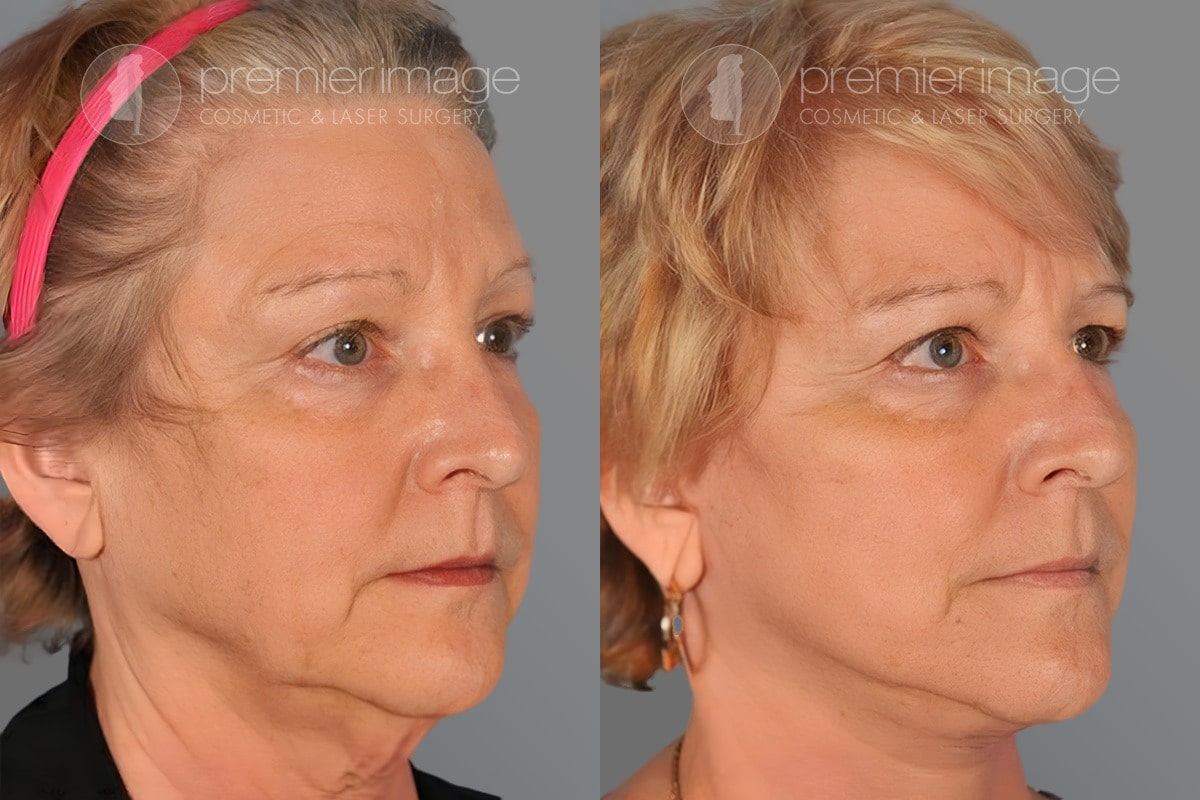
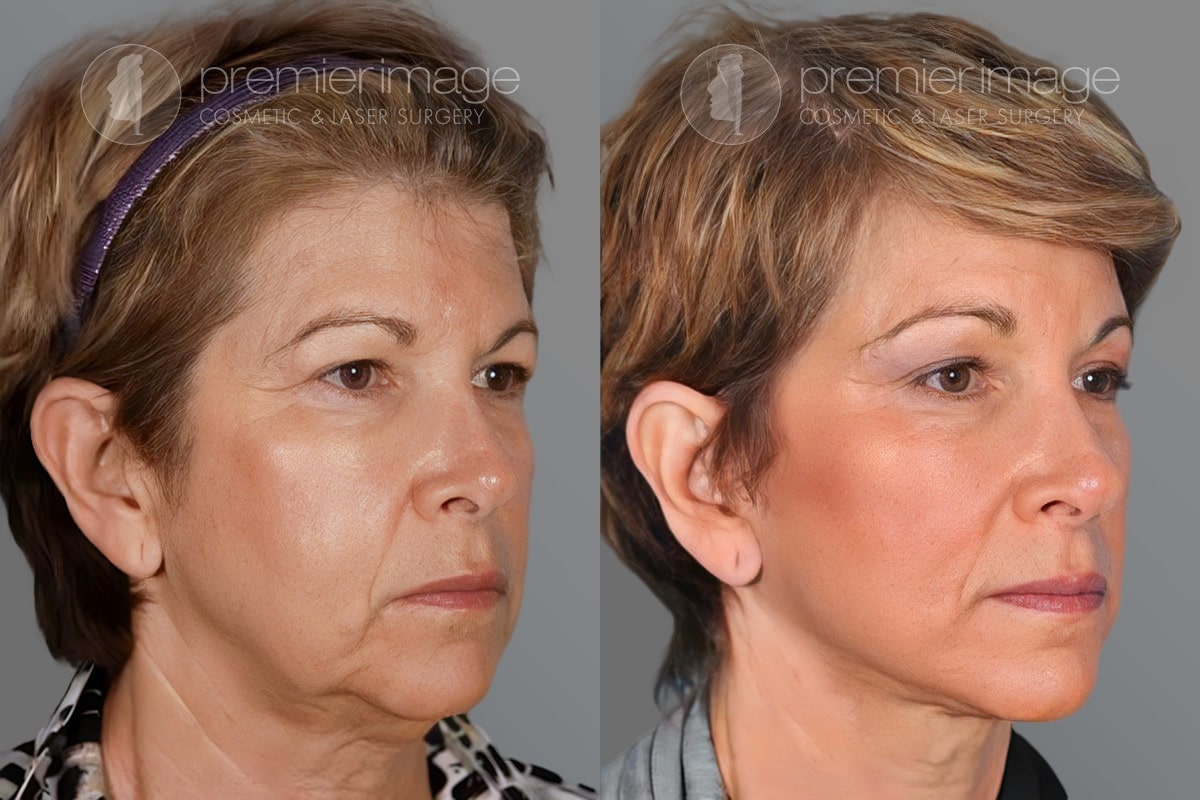
* Each patient is unique and individual results may vary.
Facelift Recovery Months 2 and 3: More Natural Results Emerge
How Facial Swelling Continues to Settle
Subtle swelling may persist but continues to improve steadily. Facial movement feels more natural as tissues adapt.
Makeup, Hair Styling, and Confidence in Public
Most patients feel fully comfortable with normal grooming routines and social interactions by this stage.
Ongoing Scar Care for Best Results
Following scar care instructions helps support continued improvement in incision appearance.
Facelift Recovery After 3 Months: Long-Term Healing and Refinement
When Final Facelift Results Become Clear
While early improvements are visible sooner, final facelift results continue to refine over several months as healing completes.
Sensation Changes and Skin Softness Over Time
Mild numbness or tightness can take longer to fully resolve, especially with deeper techniques such as a deep plane facelift.
Maintaining Your Facelift Results
Healthy lifestyle habits and proper skin care help maintain results for years. Non-surgical treatments, such as fillers, may complement surgical results when appropriate.
How Dr. DeJoseph Supports a Smooth Facelift Recovery in Atlanta, GA
Dr. DeJoseph emphasizes careful surgical planning, patient education, and attentive follow-up throughout the recovery process. Each facelift is tailored to facial structure, aging patterns, and individual goals, whether a full facelift or a more limited QT facelift is recommended.
When to Reach Out During Facelift Recovery
Patients should contact the practice if they experience unexpected or worsening pain, increasing swelling, redness that spreads beyond the incision sites, warmth, drainage, fever, or concerns about how an incision is healing. Reaching out early allows potential issues to be addressed promptly and helps ensure proper care and peace of mind.
Schedule a Facelift Consultation in Atlanta, GA
If you are considering facelift surgery and want a clear, realistic understanding of recovery time and long-term results, a personalized consultation with Dr. Louis DeJoseph can help you plan with confidence. At Premier Image Cosmetic & Laser Surgery in Atlanta, each consultation focuses on your facial structure, concerns, and goals, as well as the type of facelift that may be most appropriate for you. Taking the time to discuss the recovery process, healing timeline, and expected results allows patients to make informed decisions about facial rejuvenation and feel supported at every stage of care.