
Have you ever considered how rhinoplasty, tailored to individual needs, might differ for men? Dr. Louis DeJoseph brings a wealth of knowledge to the field, offering a nuanced understanding of how this specialized procedure can align with the unique goals and aesthetic standards men seek. His expertise ensures that variables such as facial structure, skin thickness, and ideal masculine features are skillfully addressed in every surgical plan.
Rhinoplasty isn’t a one-size-fits-all surgery; it’s a transformative journey that goes beyond physical refinement. For men, the impact of reshaping the nose can resonate deeply with self-esteem and identity. Dr. DeJoseph, with his detailed approach, is pivotal in navigating both the visible changes and the subtler yet profound psychological influences this surgical procedure can have. Choosing an expert surgeon becomes central to embracing the transformation with confidence and assurance.
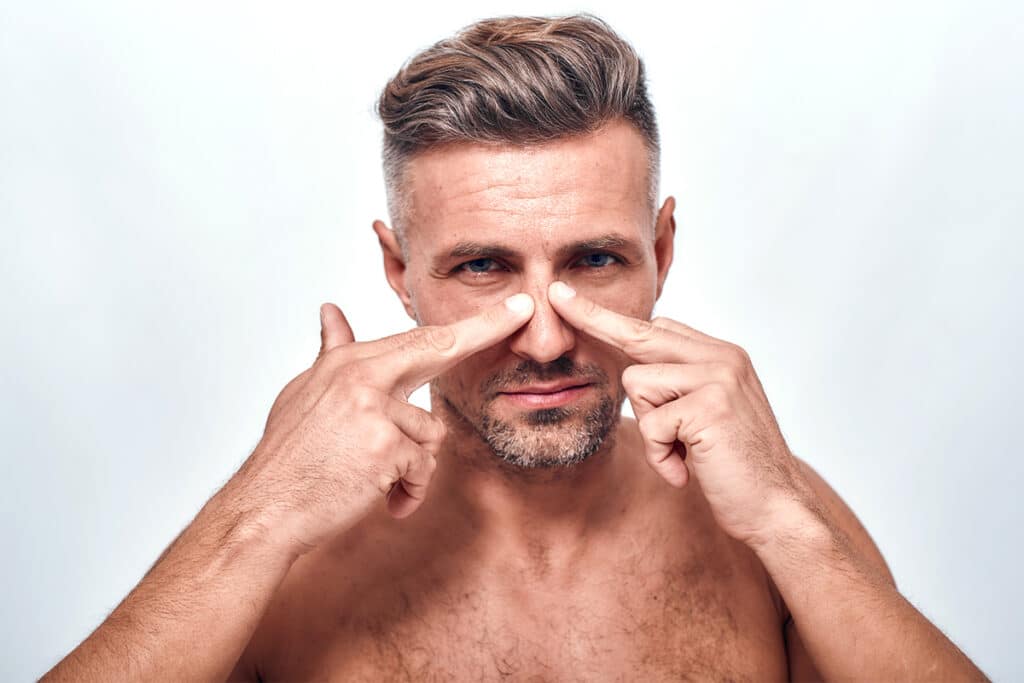
- Exploring Rhinoplasty for Men: Goals and Benefits
- Steps in the Male Rhinoplasty Procedure
- Aesthetic versus Functional Rhinoplasty in Men
- Enhancing Confidence and Self-Image
- Selecting the Right Surgeon for Male Rhinoplasty
- Male-Specific Risks and Complications in Rhinoplasty
- Preoperative Planning for Men Undergoing Rhinoplasty
- Immediate Post-Surgery Protocol for Men
- Long-Term Results Maintenance for Male Rhinoplasty
- Trends and Influences in Male Rhinoplasty
- Debunking Male Rhinoplasty Myths
- Post-Rhinoplasty Lifestyle Adaptations for Men
Exploring Rhinoplasty for Men: Goals and Benefits
Men consider rhinoplasty surgeries for various functional and cosmetic reasons, often to modify their nose to better complement their facial features. The primary goals for this cosmetic procedure frequently align with the desire to achieve a more traditionally masculine nose, which implies a stronger, straighter, and sometimes larger appearance. For these patients, the surgery is about nose reshaping and balancing the face while maintaining or emphasizing a masculine appearance.
Aesthetic goals are a priority, and men will work closely with their surgeons to ensure the result does not compromise a natural look. The benefits of nose surgery go beyond the physical changes. A well-proportioned and aesthetically pleasing nose can significantly boost confidence and improve one’s social and professional interactions.
Key benefits include:
- Correction of structural issues that can affect breathing
- Refinement of the nasal tip for a more defined masculine appearance
- Adjustment of nasal width to align with facial symmetry
- Reduction or smoothing of a prominent dorsal hump
Ultimately, a man’s decision to undergo this cosmetic surgery is driven by personal aesthetic goals and the pursuit of an aesthetic appearance that resonates with their identity and lifestyle.
Steps in the Male Rhinoplasty Procedure
Preoperative Considerations for Men
We begin every male rhinoplasty journey with a thorough consultation, ensuring patients are ideal candidates for nose surgery procedures. During this phase, men express their goals and common nose concerns, and we assess the nasal structure relative to facial symmetry. Medical history and any previous surgeries are reviewed to ensure safety and readiness for the procedure.
Surgical Techniques Tailored for Male Aesthetics
Rhinoplasty surgery for men accounts for the distinct characteristics that define male aesthetics. The surgical techniques we employ consider the angularity and proportion, aiming for a natural and masculine result. We approach each surgery with precision, employing closed techniques that enhance the structure of the male nose while maintaining its functionality.
Male patients often seek a stronger, straighter nasal profile, and we achieve this through:
- Careful removal or rearrangement of bone and cartilage
- Skillful shaping to avoid over-reduction, ensuring a masculine appearance
- Utilization of grafts or implants when necessary to add structure and definition
Postoperative Care and Recovery for Male Patients
Post-surgery, recovery is critically important for achieving the best outcomes. We guide our male patients through a tailored recovery process that includes:
- Detailed instructions on care and activities to avoid
- Protocols for managing swelling and discomfort
- Follow-up appointments to monitor healing and progress
Recovery times can vary, but we support our patients at every step, ensuring a smooth transition to daily life post-surgery. Patience and proper adherence to postoperative care are instrumental in the successful healing after a male rhinoplasty.
Aesthetic versus Functional Rhinoplasty in Men
Cosmetic Concerns Specific to Men
Men seeking rhinoplasty often prioritize a balance between a refined appearance and preserving a masculine profile. Cosmetic procedures, tailored to male aesthetics, aim to address concerns like a prominent bump on the nasal bridge or bulbous nose tips while ensuring that the changes are in harmony with the rest of the facial features. Men typically prefer straighter lines and angles over the softer curves desired in female rhinoplasty, reflecting a distinctly masculine appearance.
Addressing Male Breathing Issues Through Rhinoplasty
Functional issues related to nasal function often lead men to consider rhinoplasty. Breathing issues due to a deviated septum or other structural issues within the nasal passages can significantly affect quality of life. By correcting these functional issues, men benefit from improved airflow and a more comfortable breathing experience. Rhinoplasty for this purpose goes beyond cosmetic changes, providing a dual benefit of an enhanced appearance coupled with a resolution to breathing concerns.
Enhancing Confidence and Self-Image
Many men find that rhinoplasty can significantly boost their self-esteem. After surgery, patients often report a newfound sense of confidence that permeates various aspects of life. The transformation of their appearance aligns with their inner perception of themselves, fostering a positive outlook. Surgeons find that these individuals carry a sense of pride post-procedure, which is evident in their demeanor and the way they engage with the world around them.
Selecting the Right Surgeon for Male Rhinoplasty
Surgeon Qualifications and Experience with Men
Choosing a surgeon for male rhinoplasty involves scrutinizing qualifications closely. It’s crucial to select facial plastic surgeons who have comprehensive experience with men’s facial structures. Board certification is just the starting point. Look for surgeons who demonstrate a deep understanding of the unique subtleties inherent in male rhinoplasty. This includes assessing before-and-after portfolios specifically showcasing results on men. Surgeons with significant experience in male-focused facial plastic surgery ensure mastery over the nuances that define a masculine facial profile.
Male-Specific Risks and Complications in Rhinoplasty
In male rhinoplasty patients, certain risks and complications are more prevalent due to intrinsic differences in nasal structure and aesthetic goals. We understand that men often seek facial surgeries to address specific structural issues, such as a deviated septum or a fractured nose from sports injuries, which requires a personalized approach.
The thickness of male skin, for instance, can contribute to complications by obscuring underlying nasal definition and leading to issues with swelling. This necessitates a careful surgical technique to mitigate the risk of postoperative complications. Additionally, men are typically seeking a stronger, more angular nasal profile, which can involve more complex reshaping.
When dealing with male rhinoplasty, patients must be aware of potential complications including:
- Excessive scar tissue formation due to greater skin thickness
- Difficulty achieving desired nasal definition
- Post-surgery breathing difficulties if structural issues are not properly addressed
Surgeons must place a heightened focus on ensuring that the functional aspect of nasal surgeries is not compromised while striving for the patient’s desired aesthetic outcome.
Preoperative Planning for Men Undergoing Rhinoplasty
Lifestyle Adjustments Pre-Surgery for Men
Before nose surgery, candidates must embrace specific lifestyle changes to ensure the best outcome. Men preparing for rhinoplasty should quit smoking at least a few weeks pre-surgery. Tobacco use can impede healing, creating complications. Surgeons also advise avoiding medications like aspirin or ibuprofen that can increase bleeding. It’s essential to arrange downtime post-operation for adequate recovery.
Men should practice nutrition that promotes healing, increase hydration, and secure a support system for post-surgery care. Avoiding alcohol is equally important, as it can affect the healing process. Adhering to these lifestyle adjustments ensures a smoother surgery and recovery phase.
What Men Should Expect During the Rhinoplasty Consultation
The rhinoplasty consultation is a pivotal step for potential candidates. Men will find that a detailed medical history is the first order of business. Surgeons evaluate this information to determine candidacy for the best rhinoplasty technique for you.
During the consultation, candidates should anticipate a thorough physical exam of their nose, both externally and internally. Surgeons will discuss cosmetic goals and realistic outcomes. Additionally, men will receive pre-surgery guidelines tailored to their unique situation.
Photos may be taken for before-and-after comparisons, and digital simulations of potential results could be part of the process. It’s a time for open dialogue where candidates can ask questions and express concerns. Transparency here sets the stage for a successful partnership and procedure outcome.
Immediate Post-Surgery Protocol for Men
Recovery from rhinoplasty surgery demands careful adherence to postoperative protocols, particularly in the immediate phase. For men, these guidelines often include:
- Ensuring the nasal area is kept clean and dry involves changing dressings and using prescribed ointments to prevent infections.
- Avoiding physical activities that can elevate blood pressure and lead to bleeding or swelling, such as heavy lifting or vigorous exercise.
- Sleeping with the head elevated to reduce swelling and support proper breathing.
Also, it’s essential to follow the surgeon’s advice on when to return to work and daily routines, as premature engagement in activities might jeopardize the nasal tissues or cartilage grafts.
Long-Term Results Maintenance for Male Rhinoplasty
To maintain the long-term results of rhinoplasty, men must take a proactive approach to care for their nasal health and appearance. This typically includes:
- Protecting the skin around the nose from sun exposure to prevent discoloration and facilitate proper healing.
- Refraining from wearing glasses or sunglasses that may apply pressure to the nose for the duration recommended by the surgeon.
- Staying clear of contact sports or activities where the nose might be injured and avoiding strenuous activities that might damage the reshaped cartilage.
Trends and Influences in Male Rhinoplasty
Current trends in male rhinoplasty procedures firmly emphasize a masculine appearance that complements each individual’s facial symmetry. Surgeons now tailor nose job surgeries to preserve or enhance the masculine features of the face, avoiding over-correction, which may soften these traits. Techniques have evolved to maintain a strong, straight nasal profile and a more defined nasal tip—attributes traditionally associated with masculinity.
Influences from the world of celebrity and social media are steering some men towards nasal refinement. These trends, however, still respect the boundaries of a natural-looking result. As a supplementary procedure, eyelid surgery is often combined with rhinoplasty to rejuvenate the overall look, adhering to the philosophy that less is more.
Men today are seeking subtle changes with quick recovery times. Enhanced imaging technology allows prospective patients to visualize potential results, promoting realistic expectations and better communication with surgeons. This technology also fosters a collaborative environment wherein patients play an active role in the design of their procedural outcomes.
Debunking Male Rhinoplasty Myths
Male rhinoplasty, often considered less common than other cosmetic surgeries, actually stands as a frequently performed procedure. Many believe that rhinoplasty is purely cosmetic, but surgeons assert its significance in correcting functional issues as well. Contrary to the pervasive myth, men seeking rhinoplasty do not equate to vanity; it often reflects a desire for improved confidence and breathing ease.
Another widespread misconception is that rhinoplasty results in an overly sculpted or feminine nose. Surgeons skilled in cosmetic surgery for men focus on maintaining masculine features while enhancing overall facial harmony. They ensure that changes complement a man’s unique facial structure.
Despite concerns, male rhinoplasty does not involve excessive downtime. As with most common procedures, advancements in techniques have reduced recovery periods, allowing patients to resume their routines more quickly. It’s crucial to dispel these myths to help men make informed decisions about their health and appearance.
Post-Rhinoplasty Lifestyle Adaptations for Men
Activity Modifications Following Surgery for Men
After rhinoplasty, embracing certain lifestyle changes ensures a smooth recovery process. Men may need to temporarily alter their normal activities to protect their new nasal structure. During the initial recovery phase, avoid strenuous activities that can lead to injury or strain. This includes heavy lifting, contact sports, or any exercise that increases blood pressure. Gradually reintroducing these activities should occur only after your surgeon’s approval to prevent any damage or complications to the surgical site.
Skin Care and Protection After Male Rhinoplasty
Skin care post-rhinoplasty is critical, especially for men who often have thicker skin which can influence the healing process. To maintain a youthful appearance and enhance the healing of the incision areas, men should adopt a gentle skincare routine. This can include:
- Use recommended cleansers to keep the skin clean and prevent infection.
- Applying sunscreen protects the skin from UV rays and reduces scarring visibility as the skin heals.
- Avoiding harsh treatments or products that can irritate the sensitive post-operative skin.
Following these guidelines helps preserve the results of the rhinoplasty, which is typically an outpatient procedure. Additionally, if fillers were used to refine the shape of the nose post-surgery, extra care must be taken to avoid displacing them during early recovery.
Ready to take the next step towards achieving the attractive nose you’ve always wanted? It’s crucial to have a trusted expert guiding you through this transformative journey. Dr. DeJoseph brings a wealth of experience to male rhinoplasty, ensuring that your individual goals and aesthetic desires are met with the utmost precision and care.
Why wait to embrace a more confident you? Schedule a consultation with experienced plastic surgeon Dr. DeJoseph today and open the door to personalized advice and a tailored surgical plan that aligns with your vision. Your path to a refined and harmonious facial structure begins here.